
A hot runner mold usually costs more. That part is obvious as soon as the quote comes back.the harder part is deciding whether that extra money is actually justified. Some projects recover the added tooling cost without much trouble. Others never really do. That is why this is not a simple “hot runner is better” discussion. It is a project judgment. Volume matters. Material price matters. Runner weight matters. Design stability matters. So does the amount of trimming, scrap handling, and manual work the team is willing to live with.
A cold runner mold can look cheaper at the start and still turn into the more expensive production choice later. A hot runner mold can look expensive at the start and still be the smarter option once the program settles into real output. The right answer depends less on the mold category itself and more on what the part is asking the mold to do over time.
Why Hot Runner Mold Cost Starts Higher
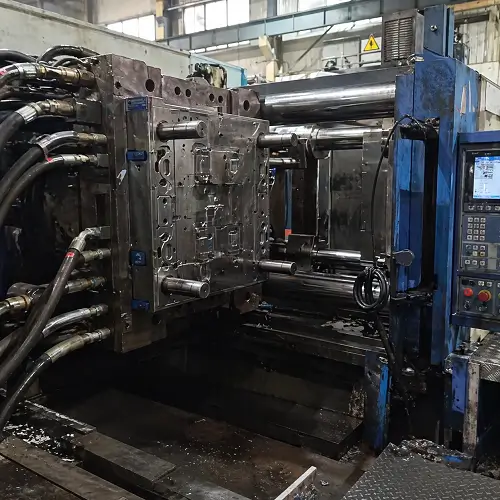
A hot runner mold costs more because it includes more than just cavity steel and a standard runner layout. The system has to keep resin molten inside the mold, which means added components such as manifolds, nozzles, heaters, wiring, and temperature control hardware. That is where the higher upfront tooling cost comes from. It is not just markup. It is more hardware, more assembly, more validation, and more opportunities for the mold to become technically demanding.
That higher entry cost is exactly why many teams hesitate. If the project is early, the forecast is uncertain, or the part may still change, paying more for a hot runner system can feel premature. In many cases, that hesitation is completely reasonable.
The mistake is not being cautious. The mistake is stopping the analysis there. Tooling cost is the first number the project sees, but it is not the only number that matters.
Why Mold Price Alone Gives the Wrong Answer
This is where hot runner decisions usually go off track. Teams compare mold price first because it is visible and immediate. What they do not always compare as carefully is what happens after the mold starts running.
A cold runner mold carries runner scrap every cycle. That means extra material, extra trimming or separation, extra handling, and sometimes regrind decisions that complicate quality control. Those costs can stay small, or they can become annoying very quickly. It depends on the runner-to-part ratio, the resin cost, the production volume, and how much labor the project is carrying around the mold.
A hot runner mold shifts that balance. It asks for more money at the start, but in return it usually reduces solid runner waste and removes part of the repeated handling that cold runner systems create by design.
So the real cost question is not “Which mold is cheaper?” It is “Which system makes more financial sense once the mold is actually producing parts?” Those are not the same question.
When Material Waste Starts Making the Decision for You
There are projects where the waste alone starts making the hot runner argument very quickly.
Small parts are a common example. If the part is light but the cold runner is relatively heavy, the project ends up molding a surprising amount of plastic that is never part of the finished product. Sometimes teams accept that because the resin is cheap and the volume is limited. Sometimes they should not.
The equation changes even faster when the resin is expensive. Engineering plastics, flame-retardant grades, transparent cosmetic materials, filled materials, or other higher-cost resins make runner scrap much harder to ignore. Once the project is repeatedly cooling and removing that much material every cycle, the hot runner price stops looking like a premium and starts looking like insurance against ongoing waste.
This is one of the clearest situations where a hot runner mold becomes easier to justify. Not because hot runner sounds advanced, but because the cold runner is quietly burning money every shot.
When Production Volume Changes the Economics
Volume is usually the point where the argument becomes less theoretical.
At lower production levels, a hot runner mold often struggles to pay back its higher tooling cost. The mold may still work well, but the project simply does not produce enough parts to benefit from the waste reduction and efficiency gains in a meaningful way. In that range, cold runner is often the more practical answer.
Once volume rises, the logic changes. Runner scrap repeats. Labor repeats. Handling repeats. Production inefficiency stops being a minor nuisance and starts becoming part of the yearly cost structure. This is where hot runner systems begin to make more sense financially.
That does not mean every high-volume part must use hot runner. It means high volume gives the project a chance to actually recover the extra investment. Without that production scale, the benefits may remain real but too small to matter.
When a Hot Runner Mold Usually Is Not Worth the Cost
A hot runner mold is often not worth it when the design is still unstable, the annual volume is unclear, and the project is still trying to prove itself. If geometry changes are likely, it usually makes little sense to commit too early to a more expensive mold architecture unless there is a very strong reason.
The same is true when the resin is not costly, the runner waste is relatively modest, and the production quantity is low enough that material savings will not meaningfully recover the added tooling expense. In those cases, cold runner usually stays the more rational choice.
This is especially true for prototype tools, bridge molds, lower-volume service parts, and programs with uncertain demand. A hot runner system may still be possible. That is not the same thing as saying it is financially wise.
When a Hot Runner Mold Starts Making Sense
A hot runner mold usually starts making sense when several conditions line up instead of only one.
The project is no longer just sampling. The part design is relatively stable. The expected production volume is meaningful. The material is expensive enough that runner scrap is worth paying attention to. The runner itself is large enough to be annoying. The team also wants cleaner automation, more controlled gate results, or a more streamlined production rhythm.
That combination is where hot runner systems stop feeling optional and start looking practical. Not always necessary, but practical.
This is especially true for smaller parts in multi-cavity production. If the runner weight begins competing with the part weight, cold runner stops looking simple and starts looking wasteful. That is often the point where the hot runner mold cost becomes easier to defend in a real budget conversation.
Gate Quality, Automation, and the Costs People Forget
Not every hot runner decision is driven by scrap alone.
Some programs move toward hot runner because gate quality matters more than people expected. On visible parts, gate behavior can become a cosmetic issue instead of just a molding detail. On automated programs, runner handling and part separation can start affecting labor, uptime, and consistency in ways that do not show up clearly in the first mold quote.
This is where teams sometimes underestimate both systems.
Cold runner often hides costs in trimming, scrap handling, regrind control, and the repeated inconvenience of producing solid runner material that someone or something has to deal with every cycle.
Hot runner hides costs in maintenance, temperature control, spare parts, troubleshooting, and occasional downtime when the system is not behaving the way the quote made it sound.
That is why the honest comparison is not “Which system has no downside?” It is “Which set of tradeoffs is easier for this project to live with?”
A Practical Project Check Before You Approve the Budget
A few project conditions usually tell the story faster than a long abstract discussion.
| Project condition | Hot runner usually makes more sense | Cold runner usually makes more sense |
|---|---|---|
| Annual volume is high and stable | ✔ | |
| Annual demand is still uncertain | ✔ | |
| Resin cost is high | ✔ | |
| Resin is relatively low cost | ✔ | |
| Runner weight is large compared with part weight | ✔ | |
| Runner scrap is relatively small | ✔ | |
| Product design is already stable | ✔ | |
| Design may still change after early samples | ✔ | |
| Cleaner automation matters | ✔ | |
| Prototype, bridge, or lower-volume production | ✔ | |
| Multi-cavity long-run production | ✔ | |
| Tool budget is tight and early cash control matters most | ✔ |
This table is not meant to replace engineering review. It is there to make the first decision more honest. A hot runner mold is easier to justify when several of the left-side conditions are true at the same time. A cold runner mold is usually the safer answer when the right-side conditions dominate.
A More Direct Cost Judgment Before Tooling Starts
If you want the short version, it usually comes down to this:
- Low volume + unstable design + modest resin cost usually points to cold runner.
- High volume + expensive material + heavy runner scrap + stable design usually points to hot runner.
- Small parts in multi-cavity tools deserve extra attention, because runner waste gets amplified quickly.
- Cosmetic parts with cleaner automation goals can push a borderline project toward hot runner even when the material argument alone is not overwhelming.
This is also where many teams make a costly mistake. They look at a hot runner quote, see a higher mold number, and stop there. That reaction is understandable, but it is not enough. If the project is going to run for a long time, the cheaper mold is not automatically the cheaper decision.
A Real Production Example
Take a small multi-cavity part made from an expensive engineering resin. The part itself is light, but the cold runner concept produces a runner that is large enough to become annoying immediately. The annual volume is strong. The design is stable. The customer expects repeat production, not a short-term run.
In that kind of project, the hot runner mold cost may look painful at quoting time, but the economics usually move in its favor once production starts. The runner waste is real, the quantity is real, and the project is not likely to disappear after a few rounds.
Now compare that with a lower-volume enclosure that is still evolving. The customer is not fully sure about the design, annual demand is unclear, and the material is not especially expensive. In that case, cold runner is often the smarter tool choice even if hot runner looks cleaner in theory.
There is also a middle zone that confuses people. A part may not be huge volume yet, but the runner may be so inefficient that the project still deserves a serious hot runner review. That is why runner-to-part ratio matters so much. Some molds do not become expensive because the parts are hard. They become expensive because the runner keeps wasting too much material around relatively simple parts.
That is the difference between technology preference and project judgment. A hot runner mold is worth it when the project has enough stability and enough repetition to actually use what the system offers.
What Should Be Checked Before Approving a Hot Runner Mold Budget
Before approving the extra tooling spend, the project should be honest about a few things.
Is the design stable enough to justify a more committed mold architecture? Is the annual volume strong enough to recover the cost? Is the resin expensive enough that runner scrap matters? Does the cold runner concept create enough waste to be worth fixing? Does the part need better gate control or cleaner automation badly enough to justify the added complexity? Will the project be able to support hot runner maintenance properly instead of treating it like a maintenance-free upgrade?
These are not side questions. They are the real questions.
This is also where DFM review becomes more useful than a generic quote comparison. If the project is already leaning toward hot runner, the next questions are usually not “What is hot runner?” They are “Will this pay back?” and “Can the mold be designed well enough to make the system work cleanly?” That is the point where the cost discussion starts turning into a design discussion.
Conclusion
A hot runner mold is worth the cost only when the project has enough going on to justify it. High volume, expensive resin, heavy runner scrap, cleaner automation, and stronger gate demands can all push the decision toward hot runner. Low volume, unstable design, lighter waste burden, and tighter launch budgets often push it back toward cold runner.
So the real question is not whether hot runner costs more. It usually does. The real question is whether that higher cost creates enough value for the part, the production plan, and the life of the program.
If you are trying to decide whether a hot runner mold is worth it for your project, send your drawings to JeekMould for a DFM review and quote before tooling release. It is much easier to judge the runner strategy early than to discover later that the mold was built around the wrong economics.
FAQs
Why is a hot runner mold more expensive?
A hot runner mold costs more because it includes heated components such as manifolds, nozzles, heaters, wiring, and temperature control systems, which make the mold more complex to build and maintain.
When is a hot runner mold worth it?
A hot runner mold is usually worth it when production volume is high, resin cost is high, runner scrap would be significant in a cold runner layout, and the design is stable enough to justify the higher tooling investment.
Is a hot runner mold better for high-volume production?
Often yes. High-volume production is one of the situations where a hot runner system is easier to justify because reduced waste and better efficiency have more time to repay the higher upfront mold cost.
When is a cold runner mold a better choice?
A cold runner mold is usually a better choice for lower-volume production, early-stage products, projects with limited tooling budget, and designs that may still change after early sampling.
Does hot runner always save money?
No. A hot runner mold only saves money when the production conditions are strong enough to recover the higher tooling cost. In lower-volume or unstable programs, a cold runner mold may still be the better financial choice.